
Dengue symptoms usually start with a sudden high fever, a pounding headache and pain behind the eyes — and in most people that is where it stops. But about one in twenty people who fall ill go on to develop severe dengue, and the danger often arrives just as the fever seems to be breaking. In Bangladesh, dengue has already killed 418 people in 2026, with October the deadliest month of the year so far. Knowing the early signs, the seven warning signs that mean hospital care, and how to keep mosquitoes away is the difference between a rough week at home and a medical emergency.
At a glance
- Dengue symptoms appear 4–10 days after the bite of an infected Aedes mosquito and usually last 2–7 days (WHO).
- About one in four infected people develop symptoms; roughly one in twenty of those go on to severe dengue.
- Bangladesh recorded 418 dengue deaths and more than 133,000 hospital admissions in 2026 up to 30 October — October alone saw 173 deaths, the worst month of the year.
- Warning signs show up 3–7 days after the first symptoms, often as the fever falls — that 24–48 hour window is the critical phase.
- There is no antiviral drug for dengue. Rest, fluids and paracetamol help; ibuprofen and aspirin should be avoided because they raise the bleeding risk.
1. What are the early dengue symptoms?
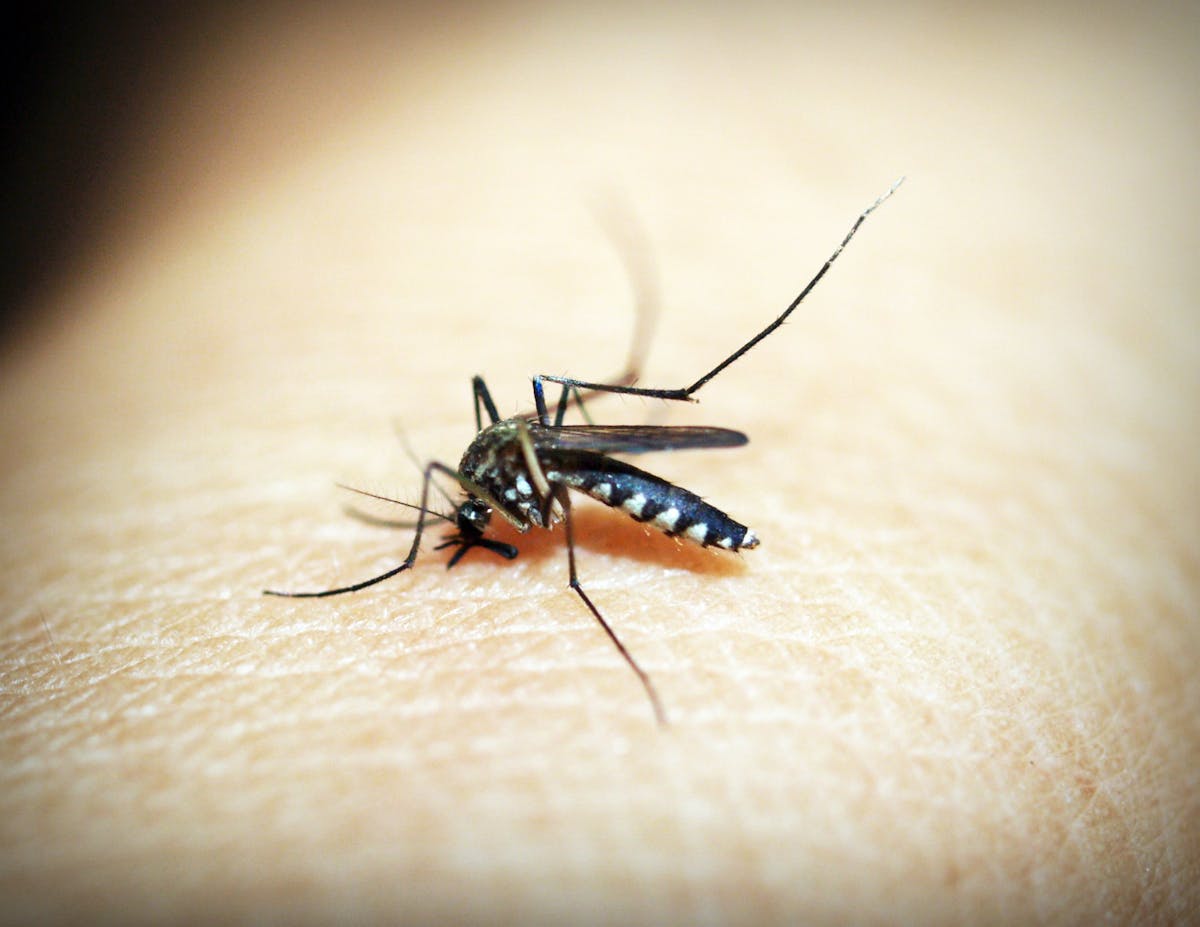
Dengue is a viral infection spread by Aedes mosquitoes, which bite mainly during the day, especially in the early morning and late afternoon. The most common first sign is a high fever, often reaching 40°C (104°F), that comes on suddenly. The World Health Organization says the fever is usually joined by at least two of these: a severe headache, pain behind the eyes, nausea or vomiting, swollen glands, muscle, joint or bone pain, and a rash. That bone-deep ache is why dengue is sometimes called break-bone fever.
Symptoms usually begin 4–10 days after the bite and last 2–7 days. Most people recover in a week or two, though tiredness can linger for several weeks. A dengue rash looks different from other viral rashes — if you are trying to tell one rash illness from another, our guide to measles symptoms and early signs explains what sets measles apart. And remember, three out of four infected people never feel ill at all — which is why someone can pass the virus on to a mosquito without knowing they have it.
2. What are the 7 warning signs of severe dengue?
This is the part that saves lives. Severe dengue usually develops 3–7 days after the first symptoms, right around the time the fever drops — so a falling temperature is not, on its own, a reason to relax. The WHO lists these warning signs, and any one of them means getting medical care immediately:
1. Severe abdominal pain. A deep, constant stomach ache that does not ease.
2. Persistent vomiting. Vomiting again and again, or being unable to keep fluids down.
3. Bleeding gums or nose. Any bleeding from the gums, nose, or small red spots on the skin.
4. Blood in vomit or stool. Vomit that looks like coffee grounds, or black, tarry stools.
5. Rapid breathing. Breathing that is fast, shallow, or laboured.
6. Fatigue or restlessness. Unusual drowsiness, confusion, or being unable to settle.
7. Pale, cold skin and feeling weak or faint. Especially feeling faint when standing up.
In severe dengue, fluid leaks out of the blood vessels, which can cause shock, breathing difficulty or heavy bleeding. About 5% of patients reach this critical phase, and the next 24–48 hours can turn dangerous without hospital care. Pregnant women with dengue should always be seen in hospital, and anyone who has had dengue before faces a higher risk of a severe second infection — a second infection with a different type of the virus is more likely to turn serious.
3. Why is dengue so bad in Bangladesh in 2026?
Bangladesh is in the middle of its worst dengue year since the record outbreak of 2023, when 1,705 people died. Health ministry data reported by Reuters shows 418 deaths and more than 133,000 hospital admissions between 1 January and 30 October 2026. October alone accounted for 173 deaths — more than September's 148 — making it the deadliest month of 2026 so far. The toll kept climbing into November, passing 427 deaths with nearly 137,000 cases in the first days of the month. Read the full picture in the Reuters report on Bangladesh's rising dengue death toll.
Entomologists say the outbreak will probably persist through November, with any decline modest at best, and experts warn it is unlikely to ease significantly before December. Warm, wet conditions and standing water in and around homes give Aedes mosquitoes endless places to breed — flower pots, discarded tyres, buckets, construction sites and clogged drains. In crowded cities, one infected mosquito can bite several people in a single day.
4. How is dengue treated at home?
There is no specific medicine that kills the dengue virus, so treatment is supportive — helping the body through the illness while watching closely for warning signs. The WHO and CDC guidance is straightforward: rest, drink plenty of fluids, and use paracetamol (acetaminophen) for fever and pain. Keep a simple note of temperature, fluid intake and urine output, and check in with a doctor early rather than late.
Two things matter a lot. First, avoid ibuprofen, aspirin and other anti-inflammatory painkillers — they increase the risk of bleeding. Second, keep watching even after the fever breaks, because that is when the critical phase begins. If any warning sign appears, go to hospital straight away; early detection and proper medical care greatly lower the fatality rate of severe dengue. Our home care guide for measles covers the same kind of watchful home routine — fluids, rest and knowing exactly when to seek help — and the principles carry over well. During recovery, proper sleep matters more than most people think; our guide on how to fall asleep faster can help when fever and worry keep you up at night.
5. How can you prevent dengue?
Prevention has two halves: stop the bites, and stop the breeding. Aedes mosquitoes bite mostly in daylight, so protection is a daytime job, not just a night-time one. Use an EPA-registered repellent with DEET or picaridin, wear loose long-sleeved shirts and long trousers, and sleep under a treated mosquito net or behind window screens. If you are ill with dengue, keep using repellent and stay indoors for at least a week after the fever starts — otherwise a mosquito that bites you can carry the virus to the next person.
Around the home, walk the yard once a week and tip out anything holding standing water: plant saucers, buckets, old tyres, bottle caps, clogged gutters. Cover water storage containers tightly and clean them regularly. These small weekly habits do more than any spray, because they break the mosquito's breeding cycle at the source. For the full clinical picture, the WHO fact sheet on dengue and severe dengue is the clearest single reference.
What to do today
Start with the simplest step: check your home for standing water tonight and clear it. Put repellent by the door so it becomes part of the morning routine, like keys and shoes. And learn the seven warning signs above by heart — or share this article with someone who needs them. Most dengue cases pass with rest and fluids, but the few that turn severe move fast, and recognising the signs early is what keeps a bad week from becoming a tragedy.
Frequently asked questions
How soon do dengue symptoms appear after a mosquito bite?
Usually 4–10 days after the bite, most often around 5–7 days. Once they start, symptoms typically last 2–7 days, and most people feel better within one to two weeks, though tiredness can linger for several weeks.
What is the first sign of dengue?
A sudden high fever, often reaching 40°C (104°F), usually with a severe headache and pain behind the eyes. Muscle, joint or bone pain, nausea and a rash often follow within a day or two.
Can dengue be treated at home?
Most cases can: rest, plenty of fluids and paracetamol for fever and pain. Avoid ibuprofen and aspirin, which raise the bleeding risk. But if any warning sign appears — severe stomach pain, persistent vomiting, bleeding, rapid breathing or feeling faint — get hospital care immediately.
How can I prevent dengue?
Use repellent with DEET or picaridin, wear long sleeves and trousers, and sleep under a mosquito net or behind screens. Once a week, empty or cover anything holding standing water around your home, since that is where Aedes mosquitoes breed.
Sources: World Health Organization; US Centers for Disease Control and Prevention; Reuters (Bangladesh dengue toll, November 2026). This article is general information, not medical advice. If you have symptoms, speak to a doctor.